Genioplasty and Sliding Genioplasty: How CBCT Supports Safer, More Predictable Chin Surgery
Genioplasty (chin surgery) is one of the most powerful procedures in maxillofacial surgery for balancing the lower face. At 3Beam Imaging Centre, our role is not to perform the surgery, but to support surgeons and patients with high-resolution CBCT (cone beam CT) scans that help plan safer, more predictable genioplasty – including sliding genioplasty.
This guide explains what genioplasty is, how sliding genioplasty works, what “genioplasty before and after” really involves, and which factors can influence genioplasty cost. It is designed to be informative rather than promotional, so you can better understand the imaging side of your treatment.
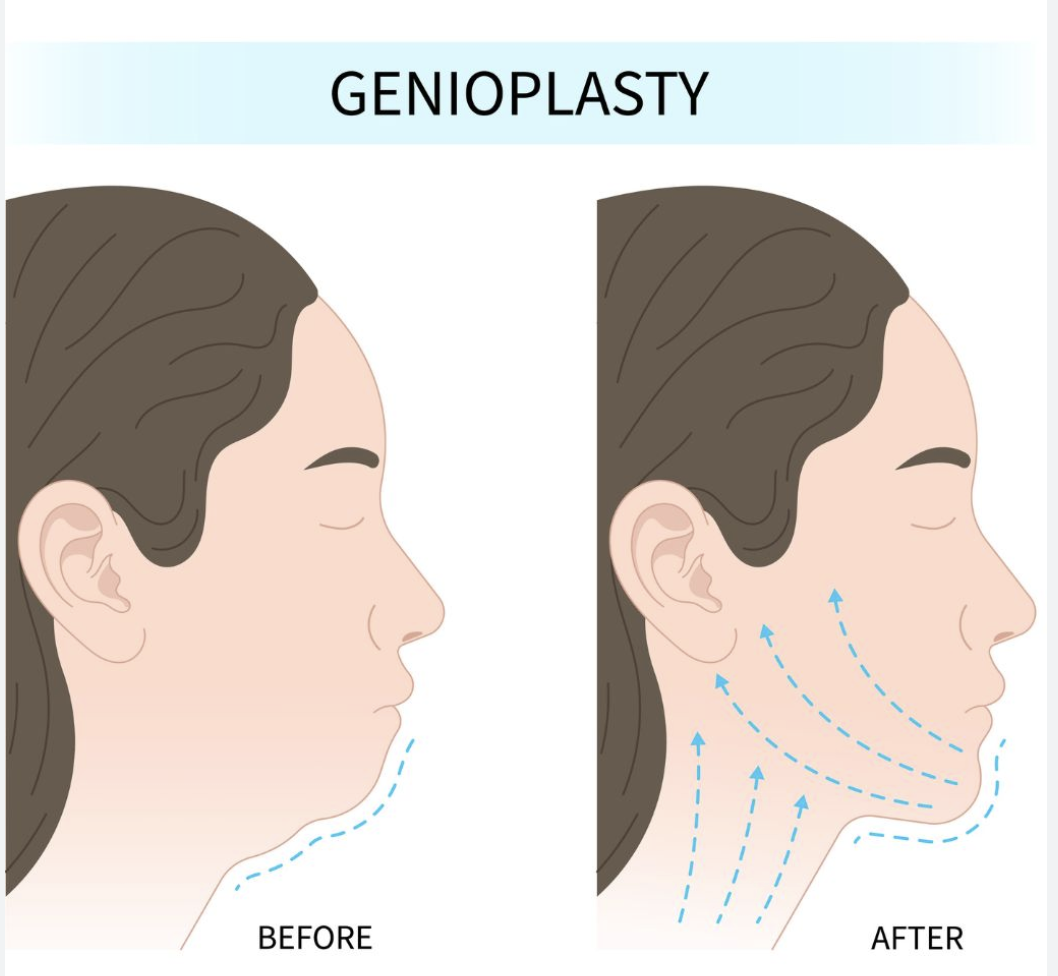
What is genioplasty?
Genioplasty is a surgical procedure to reshape the chin. It is usually performed by an oral and maxillofacial surgeon (maxfax surgeon) to improve:
-
Facial balance and profile
-
Chin projection (bringing the chin forwards or backwards)
-
Vertical height of the lower face (lengthening or shortening the chin)
-
Asymmetry, where one side of the chin sits lower or further back than the other
Genioplasty can be performed on its own or together with jaw (orthognathic) surgery, rhinoplasty, or other facial procedures.
Sliding genioplasty vs implant genioplasty
There are two main ways to change the shape and position of the chin.
Sliding genioplasty
In a sliding genioplasty, the surgeon makes a cut in the chin bone (mandible) from the inside of the mouth and carefully moves the bony segment forwards, backwards, up, down, or slightly to the side. The new position is fixed using small titanium plates and screws.
Key points about sliding genioplasty:
-
Uses your own bone (no chin implant)
-
Highly adjustable – the surgeon can fine-tune the chin’s position in three dimensions
-
Often chosen for more significant functional or skeletal corrections
-
Frequently planned using detailed imaging, including CBCT scans, to assess bone thickness, the roots of the teeth and vital structures such as the inferior alveolar nerve
Chin implant genioplasty
With an implant-based genioplasty, a silicone or other synthetic implant is placed over the bone to augment chin projection.
Key points:
-
No cutting and sliding of the bone
-
Typically used for more modest cosmetic enhancement
-
Imaging is still important, but the underlying bone is not being divided and repositioned
Your surgeon will explain which approach is suitable for your goals, bite, and facial structure.
Why CBCT scanning matters in genioplasty planning
Traditional 2D X-rays give only a flat view of the jaw and chin. CBCT scanning offers a 3D representation of the bones, teeth and surrounding structures, which is particularly valuable in sliding genioplasty.
Maxillofacial surgeons often request CBCT scans before genioplasty to:
-
Assess bone volume and thickness
-
Ensures there is enough bone to safely perform the cut and slide without compromising stability.
-
-
Visualise tooth roots and nerves
-
The inferior alveolar nerve runs through the lower jaw and supplies sensation to the lower lip and chin. CBCT helps your surgeon plan the osteotomy (bone cut) away from this nerve and from tooth roots.
-
-
Evaluate facial symmetry in 3D
-
Mild asymmetries in the chin or lower jaw are easier to identify and quantify with CBCT images, helping with precise correction.
-
-
Plan genioplasty movements digitally
-
Many surgeons use CBCT data in planning software to simulate sliding genioplasty movements and check the effect on facial profile and soft tissues.
-
-
Document genioplasty before and after
-
Some clinicians use CBCT both before and after genioplasty to document bone changes, implant position (if used), and overall treatment outcomes.
-
At 3Beam Imaging Centre we work with maxillofacial surgeons, orthodontists, plastic surgeons and cosmetic dentists across the UK and internationally. We are happy to accept CBCT referrals for genioplasty planning from specialist clinicians based both in the UK and abroad, and we return images and reports digitally so they can be easily incorporated into treatment planning.
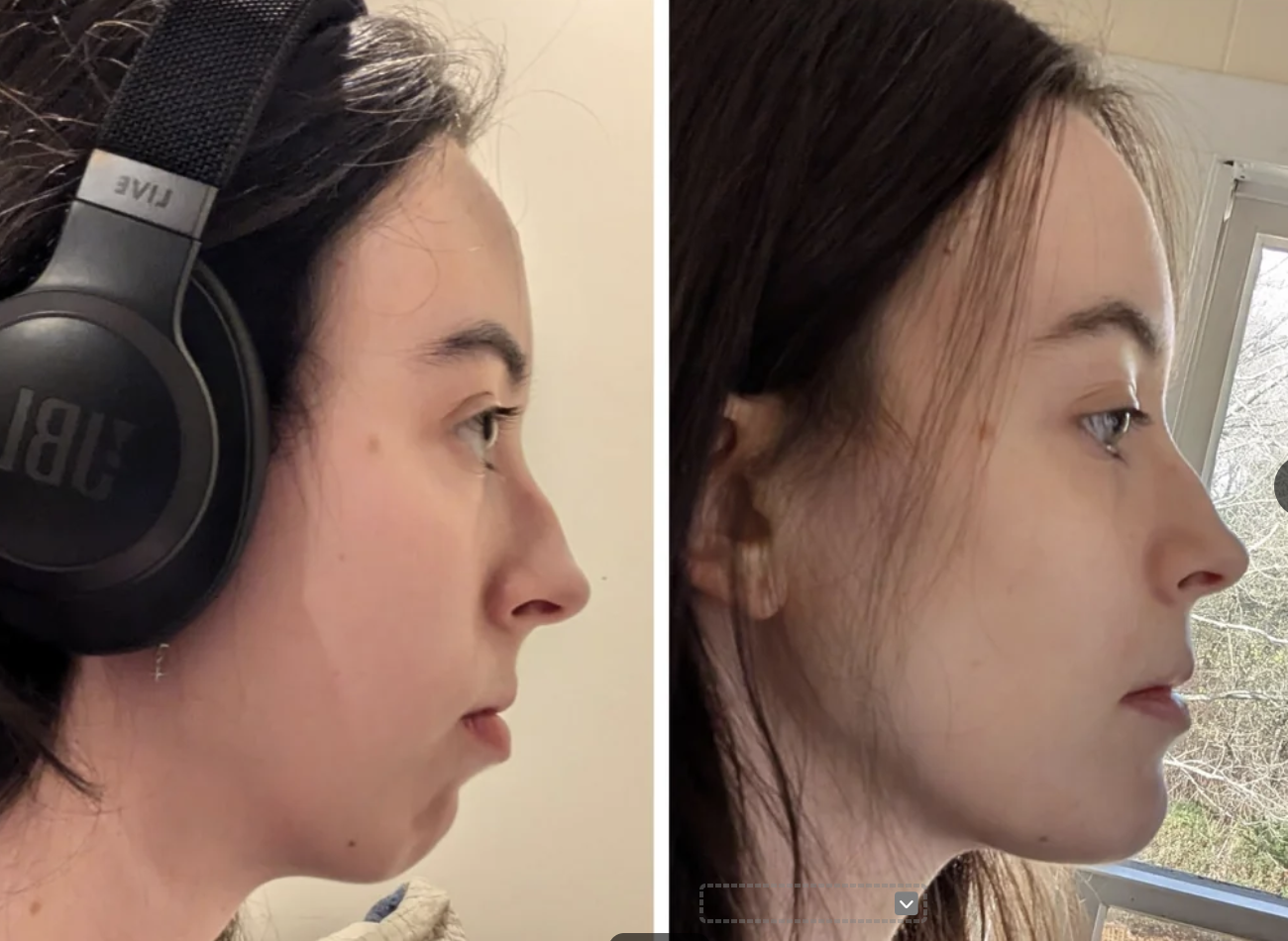
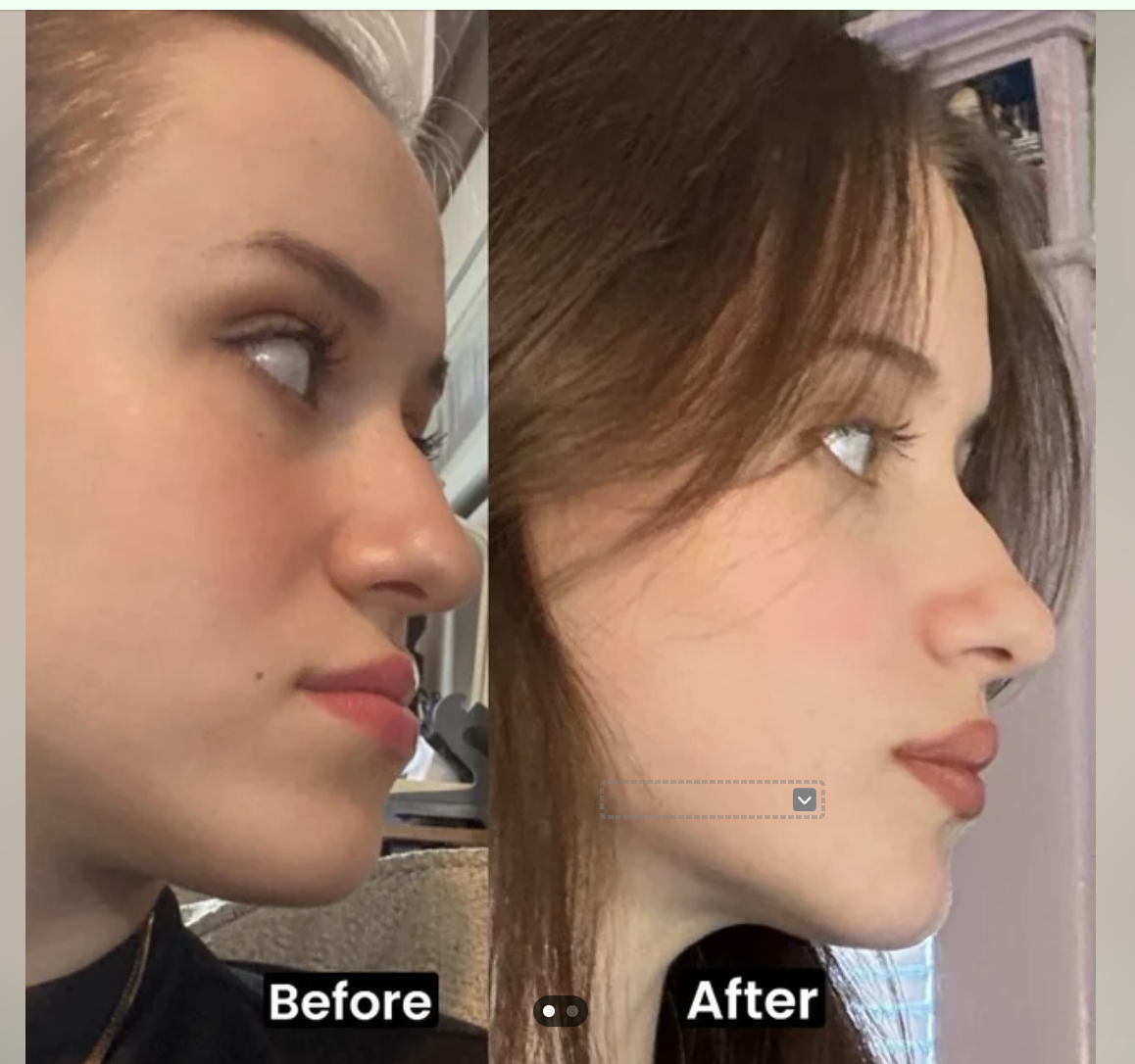
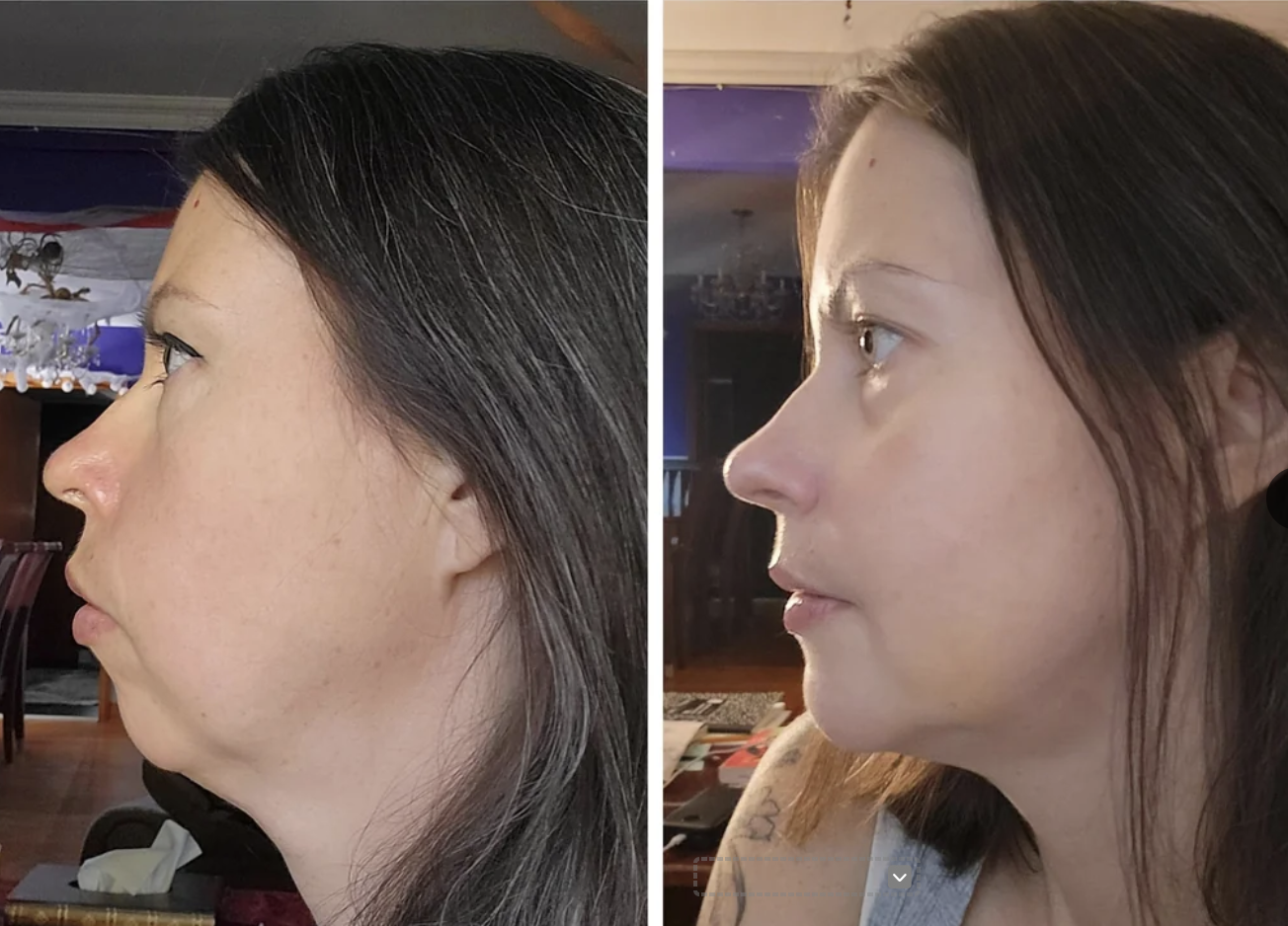
Genioplasty before and after – what actually changes?
When people search for “genioplasty before and after”, they’re usually interested in how much difference chin surgery can make to facial appearance.
While every case is unique, common changes after genioplasty include:
-
Improved profile
-
A weak or receding chin can make the nose look more prominent and the neck less defined. Moving the chin forwards often creates a stronger jawline and more balanced profile.
-
-
Better lower facial proportions
-
Sliding genioplasty can shorten a long lower face or lengthen a short one, improving harmony between the upper, middle and lower thirds of the face.
-
-
Correction of asymmetry
-
If your chin sits off-centre, a genioplasty can move it towards the midline, making the face look more symmetrical.
-
-
Subtle changes in the neck and jawline
-
Advancing the chin can enhance the angle between the chin and neck, sometimes giving the impression of a slimmer neck.
-
Importantly, genioplasty is not just about the chin – it affects how the whole face looks in profile. That is why precise planning, often using CBCT scans, is fundamental to achieving good results.
What does a genioplasty CBCT scan involve?
If your surgeon has referred you for a CBCT scan before genioplasty, the visit is usually straightforward.
-
Referral
-
Your maxfax surgeon, orthodontist, plastic surgeon or dentist – whether they are based in the UK or overseas – sends a referral specifying what they need from the scan (for example, lower jaw CBCT for sliding genioplasty planning).
-
-
Positioning
-
You will stand or sit in the CBCT machine, keeping still while the scanner rotates around your head. The scan itself usually takes under a minute.
-
-
Radiation dose
-
CBCT uses ionising radiation, but for a well-justified indication such as genioplasty planning, the benefit of accurate 3D information generally outweighs the small risk. The field of view is tailored to the region of interest (for example, the lower jaw only).
-
-
Reporting
-
A dento-maxillofacial radiologist or suitably trained clinician interprets the scan, checking bone, teeth, nerve canals and any incidental findings. The report is sent to your surgeon along with the 3D images.
-
-
Surgical planning
-
Your surgeon may use the CBCT data to create virtual osteotomies, surgical guides or 3D-printed models to make your sliding genioplasty as accurate and predictable as possible.
-

Genioplasty cost – what affects the price?
When researching genioplasty cost, it’s helpful to know that several factors influence the final fee:
-
Type of genioplasty
-
Sliding genioplasty (moving the bone) is usually more complex and therefore more expensive than a simple implant-based augmentation.
-
-
Surgeon’s expertise and location
-
Maxillofacial surgeons with extensive experience in orthognathic and genioplasty surgery, especially in central locations such as Harley Street, often charge higher fees.
-
-
Hospital or clinic fees
-
Operating theatre time, anaesthetic fees, nursing care and any overnight stay all contribute to the total cost.
-
-
Additional procedures
-
Combining genioplasty with rhinoplasty, jaw surgery or neck liposuction will increase the overall treatment cost.
-
-
Imaging and planning
-
Pre-operative investigations such as CBCT scans, dental models, photos and digital planning software may be itemised separately.
-
Your surgeon will usually provide a written breakdown of genioplasty costs during your consultation, including the imaging they require and who provides it.
Risks and considerations of sliding genioplasty
All surgery carries risk. For sliding genioplasty, possible complications your surgeon may discuss with you include:
-
Temporary or (rarely) permanent numbness in the lower lip and chin
-
Infection or delayed bone healing
-
Visible irregularities in the chin contour
-
Relapse or movement of the bone segment over time
-
Need for further adjustment surgery
Using detailed imaging such as CBCT, surgeons aim to minimise these risks by carefully planning the level and direction of the bone cuts, the position of plates and screws, and the relationship to nerves and tooth roots.
Who is a good candidate for genioplasty?
You may be considered for genioplasty if:
-
You have a retruded (set-back) or prominent chin that affects facial balance
-
Your chin is too long, too short, or asymmetric
-
You have completed facial growth (usually adults)
-
Your teeth and bite are stable, or you are undergoing orthodontic treatment as part of a larger plan
-
You are in good general health and have realistic expectations
Your maxillofacial surgeon will decide whether genioplasty alone is sufficient or whether jaw surgery (e.g. mandibular advancement or setback), orthodontics, or other procedures are also needed.
How 3D imaging supports genioplasty before and after care
For many patients, the journey does not end in the operating theatre. Surgeons may use CBCT data:
-
Before genioplasty
-
To confirm anatomy, plan bone movements and communicate likely changes with you.
-
-
After genioplasty
-
To check bone healing and the positions of plates and screws.
-
To document how the chin has moved in three dimensions.
-
Having clear before and after genioplasty imaging provides reassurance for both patient and surgeon and forms part of good clinical record-keeping.
Frequently asked questions about genioplasty and CBCT
Do I need a CBCT scan for genioplasty?
Not every case requires a CBCT scan, but many surgeons request one for sliding genioplasty because it offers a more detailed, 3D view of the chin and lower jaw than standard X-rays.
Is a CBCT scan painful?
No. A CBCT scan is a non-invasive imaging test. You simply stand or sit in the machine, stay still for a short time, and the scan is taken.
Will a CBCT scan show my “before and after” genioplasty results?
A CBCT scan will show the bone and teeth structure, not the soft tissues like skin in detail. However, comparing pre- and post-operative CBCT scans helps your surgeon see exactly how the chin bone has moved and healed.
Is genioplasty permanent?
Once the bone has healed in its new position, the change is generally permanent. Plates and screws may be left in place or removed later if they cause symptoms – this depends on your surgeon’s practice and your individual case.
Does genioplasty change my bite?
If genioplasty is done alone, it usually focuses on the chin and lower facial aesthetics rather than the bite. Orthognathic (jaw) surgery is used when the bite itself needs correction. Your surgeon will explain whether your treatment plan affects your bite.
Summary
-
Genioplasty is a chin reshaping surgery that can improve facial balance, symmetry and profile.
-
Sliding genioplasty involves cutting and moving the chin bone itself, while implant genioplasty adds a prosthetic chin implant.
-
High-quality CBCT scans are often used before genioplasty to assess bone, teeth and nerves, plan osteotomies, and support safe, precise surgery.
-
Genioplasty cost varies depending on the type of surgery, the surgeon’s experience, hospital fees, and the imaging and planning required.
-
Detailed 3D imaging supports both genioplasty before and after evaluation, helping patients and clinicians to understand and document the changes achieved.
-
3Beam Imaging Centre accepts genioplasty CBCT referrals from specialist clinicians based both in the UK and abroad, providing digital images and reports to support high-quality surgical planning.
If you or your surgeon need CBCT imaging before or after genioplasty – including maxfax full-head scans – please, contact 3Beam Imaging Centre (0207 637 8227) and ask for Ash. He can talk you through the referral process, explain the scan options, and help you book an appointment that fits around your surgical plan.